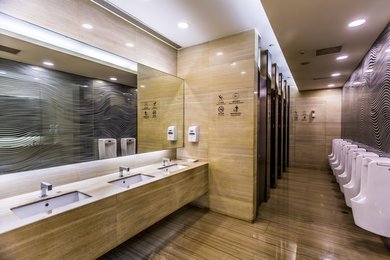
Stainless Steel Toilet Partitions: The Ultimate Solution for Durable and Hygienic Restrooms
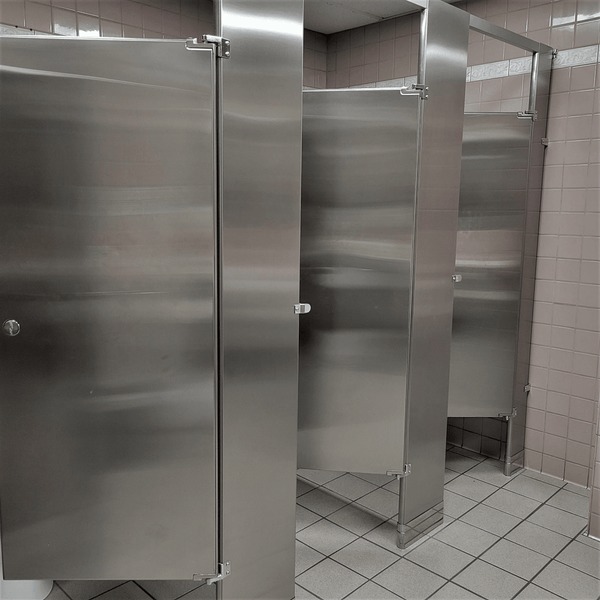
Stainless steel toilet partitions are widely regarded as one of the most durable, hygienic, and visually appealing restroom partition solutions available today. Designed to withstand heavy use, moisture, and harsh cleaning chemicals, these partitions are a top choice for commercial, industrial, and high-end public restroom environments. From airports and hospitals to luxury hotels and corporate offices, stainless steel toilet partitions deliver long-term performance while maintaining a sleek, professional appearance.
What Are Stainless Steel Toilet Partitions?
Stainless steel toilet partitions are restroom divider systems constructed using stainless steel sheets, typically Type 304 or Type 316 stainless steel. These panels are formed around a rigid core, often honeycomb or solid composite, to provide exceptional strength and stability. The surface finish can vary from satin and brushed to textured or patterned, allowing flexibility in both design and functionality.
Unlike traditional materials such as painted steel or plastic laminate, stainless steel does not rely on surface coatings for protection. Its inherent corrosion resistance makes it ideal for environments exposed to humidity, water, and frequent cleaning.
Key Benefits of Stainless Steel Toilet Partitions
One of the primary advantages of stainless steel toilet partitions is their unmatched durability. Stainless steel resists dents, scratches, rust, and corrosion far better than most other partition materials. This makes it an excellent investment for facilities that experience constant foot traffic and require long-lasting performance.
Another major benefit is hygiene. Stainless steel has a non-porous surface that does not absorb moisture or bacteria, making it easy to sanitize. This is especially important in healthcare facilities, food processing plants, and public restrooms where cleanliness is a top priority.
Aesthetic appeal is another reason many designers and facility managers choose stainless steel toilet partitions. Their modern, clean look enhances the overall appearance of restrooms, creating a sense of quality and professionalism. With various finishes available, stainless steel can complement both contemporary and industrial design styles.
Types of Stainless Steel Used in Toilet Partitions
The most commonly used grades of stainless steel for toilet partitions are Type 304 and Type 316. Type 304 stainless steel is suitable for most commercial restroom applications. It offers excellent corrosion resistance and strength at a more affordable cost.
Type 316 stainless steel contains molybdenum, which provides enhanced resistance to corrosion, particularly in coastal areas or environments exposed to harsh chemicals. This grade is often chosen for marine facilities, chemical plants, and locations with aggressive cleaning routines.
Applications of Stainless Steel Toilet Partitions
Stainless steel toilet partitions are versatile and suitable for a wide range of applications. In airports and transportation hubs, they handle heavy daily use while maintaining a clean appearance. In hospitals and medical facilities, their hygienic properties help support strict sanitation standards.
Educational institutions such as schools and universities benefit from the durability and vandal resistance of stainless steel partitions. In office buildings and corporate environments, these partitions contribute to a polished, professional restroom design. High-end hotels and shopping centers also favor stainless steel for its premium look and long-term value.
Resistance to Vandalism and Abuse
Public restrooms are often subject to vandalism, graffiti, and misuse. Stainless steel toilet partitions are highly resistant to these issues. Graffiti can be removed easily without damaging the surface, and the material’s strength makes it difficult to dent or break. This reduces repair and replacement costs over time and helps maintain a positive image for the facility.
Maintenance and Cleaning
One of the biggest advantages of stainless steel toilet partitions is their low maintenance requirements. Routine cleaning with mild detergent and water is usually sufficient to keep them looking new. For tougher stains or fingerprints, specialized stainless steel cleaners can be used to restore the original finish.
Because stainless steel does not chip, peel, or fade, it retains its appearance for many years. This makes it a cost-effective option despite the higher initial investment compared to other materials.
Sustainability and Environmental Benefits
Stainless steel is an environmentally friendly material. It is 100% recyclable and often contains a significant percentage of recycled content. Choosing stainless steel toilet partitions supports sustainable building practices and can contribute to green building certifications.
Additionally, the long lifespan of stainless steel reduces the need for frequent replacements, minimizing waste and resource consumption over time.
Design Options and Customization
Modern stainless steel toilet partitions offer a wide range of design options. Panels can be customized in height, thickness, and configuration to meet specific project requirements. Floor-mounted, ceiling-hung, and floor-to-ceiling installation styles are available, providing flexibility in layout and aesthetics.
Textured and patterned finishes are often chosen to reduce the visibility of fingerprints and scratches. Custom hardware, doors, and accessories can also be incorporated to enhance usability and appearance.
Installation Considerations
Proper installation is essential to maximize the performance of stainless steel toilet partitions. Professional installation ensures correct alignment, secure anchoring, and smooth operation of doors and hardware. Because stainless steel panels are heavier than some other materials, installers must account for structural support and proper mounting methods.
Planning for accessibility and compliance with local building codes is also important. Stainless steel partitions can be configured to meet ADA and other accessibility requirements with ease.
Cost vs. Long-Term Value
While stainless steel toilet partitions typically have a higher upfront cost compared to powder coated steel or plastic laminate options, their long-term value is significant. The reduced need for maintenance, repairs, and replacement results in lower lifecycle costs. For facilities focused on durability, hygiene, and aesthetics, stainless steel is often the most economical choice over time.
Why Choose Stainless Steel Toilet Partitions?
Choosing stainless steel toilet partitions means investing in quality, performance, and peace of mind. They provide superior resistance to moisture, corrosion, and wear, making them suitable for the most demanding environments. Their clean, modern appearance enhances restroom design, while their hygienic properties support health and safety standards.
Facility managers appreciate their low maintenance and long service life. Architects and designers value their versatility and premium look. End users benefit from sturdy, private, and well-maintained restroom spaces.
Conclusion
Stainless steel toilet partitions represent the gold standard in restroom partition systems. Combining strength, hygiene, sustainability, and aesthetic appeal, they are an ideal solution for commercial, institutional, and high-end public restrooms. Whether the priority is durability, cleanliness, or long-term value, stainless steel toilet partitions consistently deliver exceptional performance. By choosing this material, facilities can ensure reliable operation, reduced maintenance costs, and a professional restroom environment for years to come.