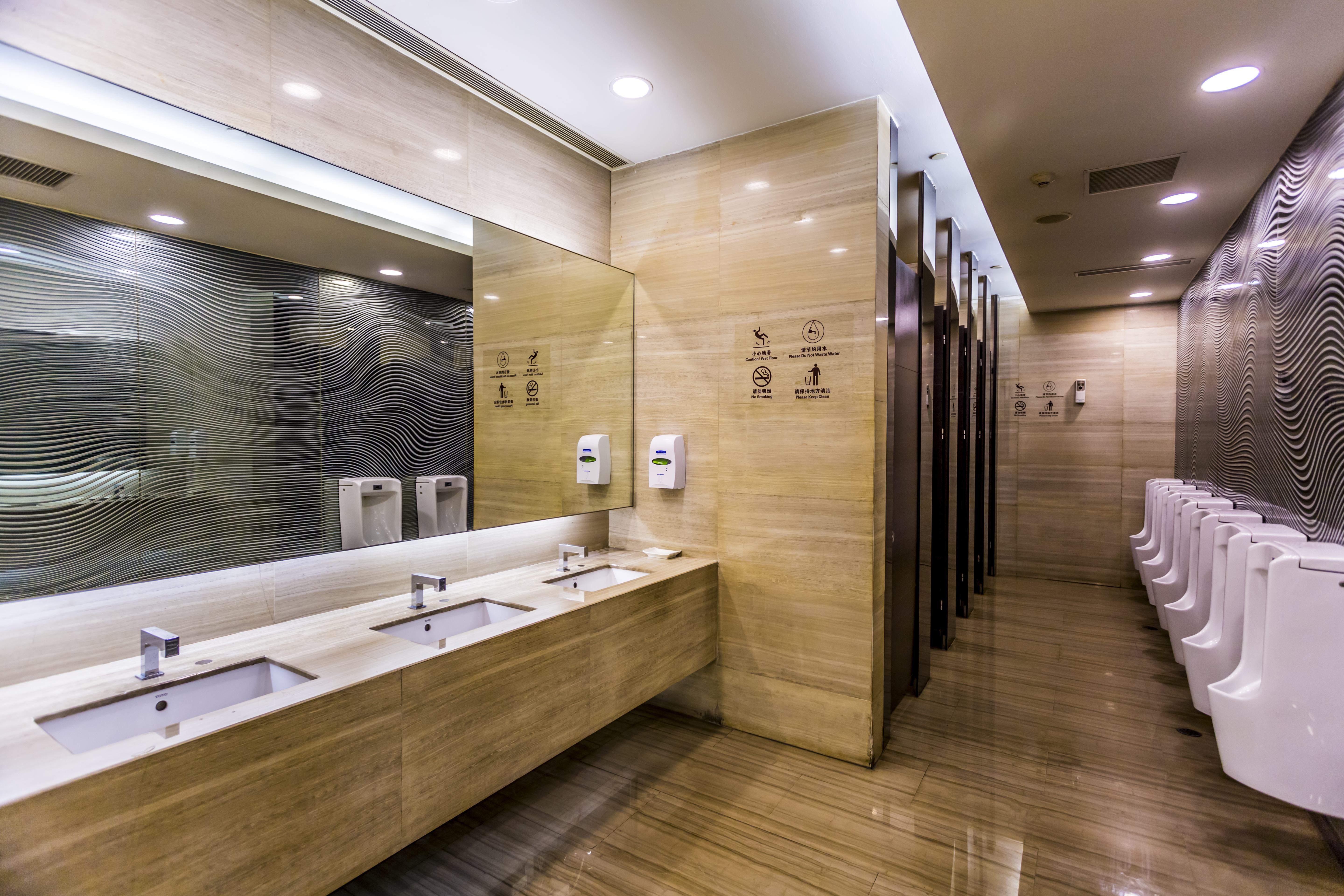
Designing a modern washroom in 2026 is no longer just about basic functionality. Today, it’s about creating a space that balances hygiene, durability, smart design, and user comfort. Whether it’s an office, mall, school, or commercial building, every element—from commercial bathroom partitions to hardware and storage—plays a role in performance and experience.
This complete guide walks you through everything you need to know, with practical insights and real-world considerations to help you make the right decisions.
Understanding Modern Washroom Design in 2026
Modern washrooms are evolving rapidly due to higher hygiene standards and smarter construction practices. Businesses are focusing on materials that are durable, moisture-resistant, and easy to maintain.
-
Growing demand for sustainable and long-lasting materials is shaping design choices
-
Privacy-focused layouts and full-height systems are becoming standard
-
Smart and modular installations are reducing long-term costs and maintenance
1. Choosing the Right Washroom Hardware
Washroom hardware includes hinges, locks, handles, brackets, and support systems. These small components directly impact durability and user experience.
-
Go for corrosion-resistant materials
Stainless steel and anodized aluminum hardware perform better in humid environments and last longer without rusting
-
Focus on smooth functionality
Soft-close hinges, ergonomic handles, and sturdy locks improve user comfort and reduce wear over time
-
Choose durable finishes
Modern trends favor brushed nickel, bronze, and textured finishes that resist fingerprints and scratches while maintaining appearance
2. Types of Commercial Bathroom Partitions
Selecting the right commercial bathroom partitions is one of the most important decisions in any washroom project.
-
HDPE (High-Density Polyethylene)
Highly resistant to moisture, graffiti, and impact, making it ideal for high-traffic areas
-
Phenolic Partitions
Known for strength and water resistance, suitable for premium commercial spaces
-
Stainless Steel Partitions
Offer a sleek, modern look with excellent durability, though slightly higher in cost
Modern installations increasingly use modular partition systems because they are easier to install and maintain over time
3. Importance of Privacy and Layout
Privacy has become a top priority in modern washroom design.
-
Full-height partitions
Floor-to-ceiling designs eliminate gaps and improve user comfort
-
Zero sightline systems
Reduce visibility between panels and doors for better privacy
-
Efficient space planning
Proper layout ensures smooth movement and avoids cramped spaces
Modern users expect comfort, safety, and privacy, especially in commercial spaces like offices and malls
4. Smart Storage Solutions for Washrooms
Storage is often overlooked but plays a key role in maintaining cleanliness and organization.
-
Wall-mounted cabinets
Save floor space and keep essentials easily accessible
-
Built-in storage units
Provide a clean, seamless look and reduce clutter
-
Multi-functional vanities
Combine storage with usability, especially in premium washrooms
Good storage design helps maintain hygiene and ensures efficient use of space in busy environments.
5. Focus on Hygiene and Cleanability
Hygiene is one of the biggest concerns in modern washroom design.
-
Non-porous materials
Prevent bacteria growth and are easier to clean
-
Touch-free hardware
Reduce contact points and improve sanitation
-
Antimicrobial surfaces
Increasingly used in commercial washrooms for added protection
There is a growing demand for hygienic and easy-to-maintain materials across commercial facilities
6. Sustainable and Eco-Friendly Materials
Sustainability is no longer optional—it’s expected.
-
Recycled materials
Many partitions now use recycled content without compromising strength
-
Low-VOC finishes
Improve indoor air quality and meet green building standards
-
Long-lasting materials
Reduce waste by minimizing replacement cycles
Around 40% of manufacturers now focus on sustainable materials, reflecting a strong shift toward eco-conscious construction
7. Modern Design Trends in Washrooms
Design is now as important as functionality.
-
Minimalist aesthetics
Clean lines and neutral colors create a modern, professional look
-
Textured and premium finishes
Add depth and character to the space
-
Integrated design approach
Partitions, hardware, and storage are designed to match seamlessly
Modern washrooms are designed to reflect brand identity and user experience, not just utility
8. Durability and Maintenance Considerations
A good washroom design should last for years with minimal upkeep.
-
Choose impact-resistant materials
Ideal for high-traffic areas like malls and airports
-
Easy-to-clean surfaces
Reduce maintenance time and costs
-
Modular systems
Allow quick repairs and replacements without major disruptions
Modular systems are becoming more popular because they reduce installation time and maintenance effort
9. Accessibility and Compliance
Modern washrooms must meet accessibility standards.
-
ADA-compliant layouts
Ensure ease of use for all users
-
Proper spacing and dimensions
Provide comfortable movement within stalls
-
Support features
Include grab bars and accessible hardware
Accessibility is essential for creating inclusive and user-friendly spaces.
10. Future of Washroom Solutions
Looking ahead, washrooms will continue to evolve with technology and user expectations.
-
Smart monitoring systems
Track usage and maintenance needs
-
AI-based layout planning
Helps optimize space and efficiency
-
Customizable partition systems
Allow flexibility for different environments
The focus will remain on durability, hygiene, and user comfort as the industry continues to grow.
Final Thoughts
A well-designed washroom is a combination of the right hardware, durable commercial bathroom partitions, and smart storage solutions. Each element must work together to create a space that is functional, hygienic, and visually appealing.
By focusing on quality materials, thoughtful layout, and modern design trends, you can build a washroom that not only meets today’s standards but also performs reliably for years to come. In 2026, the difference between an average and an excellent washroom lies in the details—and getting those details right makes all the difference.