The Essential Guide to Leveraging Email Marketing for Small Business Growth
In an era dominated by flashing social media ads and short-lived viral trends, many small business owners wonder if email marketing is still relevant. The answer is a resounding yes. In fact, email marketing remains one of the most powerful tools for building sustainable, long-term relationships with customers. Unlike social media platforms where algorithms dictate who sees your content, your email list is an asset you own entirely.
This guide explores how small businesses can harness the power of email to drive engagement, build authority, and ultimately increase revenue.
Why Email Marketing Still Rules the Digital Era
While newer platforms come and go, email remains the professional standard for digital communication. For a small business, the return on investment (ROI) is unparalleled, often yielding significantly higher conversions than organic social media posts.
The primary reason for this success is intent. When someone signs up for your newsletter, they are giving you permission to enter their personal digital space. This direct line of communication allows you to build a level of trust and brand loyalty that is difficult to achieve through a public feed. By providing consistent value, you transition from being just another vendor to a trusted resource in your industry.
Building a High-Quality Email List from Scratch
A successful campaign starts with a healthy list. It is tempting to look for shortcuts, but the "quality over quantity" rule is absolute here. You want subscribers who actually want to hear from you.
Lead Magnets: Offer something of value—a discount code, a free e-book, or a helpful checklist—in exchange for an email address.
Opt-in Forms: Place clean, simple sign-up forms on your website’s header, footer, and blog posts.
Segmentation: Don't treat every subscriber the same. Categorize them based on their interests or past purchases to ensure the content you send is always relevant.
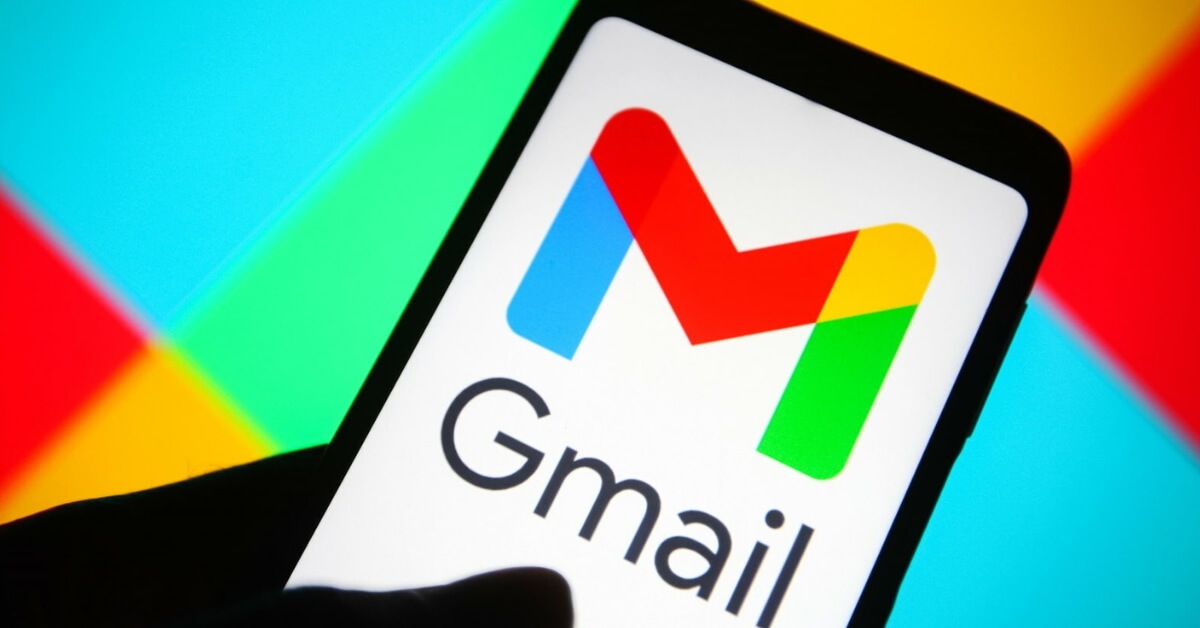
To stay updated with the latest trends in digital communication and account management, you can explore the
Crafting Content That Converts
Once you have a list, the challenge is keeping them engaged. Writing an email that people actually want to open requires a mix of psychology and strategy.
Compelling Subject Lines: Your subject line is your gatekeeper. Keep it under 50 characters, create a sense of urgency or curiosity, and avoid "spammy" words like "FREE" in all caps.
The Power of Personalization: Use the recipient's name and reference their interests. Personalized emails deliver six times higher transaction rates than generic ones.
The 80/20 Rule: 80% of your emails should be educational, helpful, or entertaining. Only 20% should be a direct "hard sell." If you only send sales pitches, people will quickly hit the unsubscribe button.
Essential Tools for Managing Business Communications
For a small business owner, time is the most valuable resource. You cannot manually email hundreds of people. This is where automation tools become essential.
Modern email marketing platforms allow you to set up "drip campaigns"—a series of automated emails sent when a user takes a specific action, such as signing up or abandoning a shopping cart. Furthermore, you must keep a close eye on your metrics:
Open Rates: Are your subject lines working?
Click-Through Rate (CTR): Is your content interesting enough to make people take action?
Bounce Rates: Is your list clean, or are you sending to dead addresses?
Monitoring these numbers allows you to pivot your strategy in real-time rather than guessing what works.
Common Pitfalls to Avoid in Email Marketing
Even the best-intentioned campaigns can fail if you fall into these common traps:
Over-sending: Bombarding your audience daily is the fastest way to get marked as spam. Find a frequency (weekly or bi-monthly) and stick to it.
Ignoring Mobile Optimization: Over 50% of emails are opened on mobile devices. If your email looks broken on a smartphone, it will be deleted immediately.
Purchasing Email Lists: Never buy a list. Not only is it often illegal under GDPR and other privacy laws, but it also damages your sender reputation and ensures your emails end up in the junk folder.
Conclusion
Email marketing is not a "set it and forget it" strategy. It requires consistency, empathy for your audience's needs, and a willingness to analyze your data. For small businesses, it offers a level playing field to compete with larger corporations by focusing on high-touch, personalized communication.
By building a clean list, providing genuine value, and using the right tools to manage your digital presence, you can turn a simple email address into a lifelong customer relationship. Start small, stay consistent, and watch your business grow one inbox at a time.