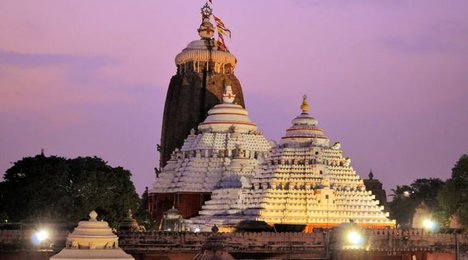
Bindu Sagar Bhubaneswar: History, Religious Significance and Heritage

Located in the historic heart of Bhubaneswar, Bindu Sagar is more than a traditional water body. It is an important part of the city’s religious, cultural, and architectural heritage. Surrounded by ancient temples and closely associated with the sacred landscape of Ekamra Kshetra, the lake has remained an important destination for pilgrims, historians, and visitors exploring the heritage of Odisha.
Its proximity to the famous Lingaraj Temple makes Bindu Sagar in Bhubaneswar an important part of a traditional heritage experience in Old Bhubaneswar. The lake represents the close relationship between sacred water, temple traditions, rituals, and community life that has shaped the city for centuries.
Where Is Bindu Sagar Located?
Bindu Sagar is situated in Old Bhubaneswar, close to the Lingaraj Temple. The surrounding area contains numerous historic temples and monuments that reflect the architectural traditions of ancient Kalinga. Because of its central location within the historic temple district, visitors can explore several important religious and heritage sites within a relatively short distance. The lake therefore serves as both a spiritual landmark and a useful starting point for discovering Bhubaneswar’s historic core.
History of Bindu Sagar
The history of Bindu Sagar is closely connected with the ancient identity of Bhubaneswar as a major centre of temple architecture and Hindu worship. The city was historically known as Ekamra Kshetra, a sacred region associated particularly with Lord Shiva. According to traditional beliefs, Bindu Sagar was created from drops of water (bindu) gathered from sacred rivers and pilgrimage places. This belief gives the lake a special position within the religious geography of the city. Over generations, Bindu Sagar became an important part of the temple landscape surrounding Lingaraj and other historic shrines. Its continued presence demonstrates how water bodies were integrated into the planning and spiritual life of traditional temple cities.
Religious Significance of Bindu Sagar
The religious importance of Bindu Sagar comes primarily from its association with Hindu sacred traditions and Lord Shiva. Devotees have traditionally regarded its waters as sacred, and the lake plays a role in rituals connected with nearby temples. The belief behind its name is particularly significant. The word “Bindu” refers to a drop, while “Sagar” means ocean or large body of water. Traditional accounts describe the lake as containing drops of water from various sacred sources, symbolically bringing different holy waters together in one place. This spiritual symbolism makes Bindu Sagar an important part of the religious experience of Old Bhubaneswar. During religious occasions and festivals, the area around the lake can become an important gathering place for devotees and local communities.
Bindu Sagar and Lingaraj Temple
The connection between Bindu Sagar and Lingaraj Temple is one of the most important aspects of the lake’s heritage. Lingaraj Temple is one of Bhubaneswar’s most prominent historic temples, and Bindu Sagar forms an important part of the sacred landscape around it. The relationship between the temple and lake illustrates a traditional concept in which water bodies, shrines, and ritual spaces function together. Visitors exploring Lingaraj Temple can therefore also experience the cultural and religious atmosphere surrounding Bindu Sagar.
Temples and Heritage Sites Around Bindu Sagar
One of the most fascinating features of Bindu Sagar is the concentration of historic temples around it. The surrounding heritage landscape includes temples such as Mukteshwar Temple and Ananta Vasudeva Temple, along with numerous smaller shrines. These monuments showcase different aspects of Odisha’s temple architecture, particularly the distinctive Kalinga architectural tradition. Their presence around Bindu Sagar creates a cultural landscape where architecture, mythology, religious practice, and history are closely connected. For visitors interested in heritage tourism, exploring these temples along with the lake can provide a deeper understanding of Bhubaneswar’s historic identity.
Bindu Sagar as a Symbol of Bhubaneswar’s Heritage
Bindu Sagar also demonstrates the importance of water in the development of traditional Indian temple cities. Sacred tanks and lakes were not simply sources of water; they often became important spaces for religious ceremonies, community activities, and cultural traditions. In Bhubaneswar, Bindu Sagar continues to contribute to the identity of the Old Town area. Its relationship with nearby temples helps preserve a connection between the city’s ancient past and its modern cultural life. Preserving the lake is therefore important not only for environmental reasons but also for protecting Bhubaneswar’s historic character.
Festivals and Ritual Traditions
Religious festivals add another dimension to the cultural importance of Bindu Sagar. Various rituals and ceremonial traditions associated with nearby temples are connected with the sacred landscape around the lake. During important occasions, devotees gather in the area, creating a lively combination of spirituality, tradition, and community participation. These practices help keep the cultural heritage of Bindu Sagar connected to contemporary religious life.
Visiting Bindu Sagar
Visitors exploring Bindu Sagar can combine their visit with nearby temples and heritage sites. Early morning and evening can be particularly pleasant times to experience the surroundings, while festival periods may offer a more vibrant cultural atmosphere. Because Bindu Sagar is part of a religious heritage area, visitors should respect local customs, maintain cleanliness, follow temple guidelines, and avoid disturbing religious activities.
Bindu Sagar Bhubaneswar is a remarkable symbol of the city’s history, spirituality, and living heritage. Its connection with Ekamra Kshetra, Lingaraj Temple, and the surrounding ancient temples makes it an important destination for anyone interested in Odisha’s cultural traditions. For travellers exploring Odisha Tourism, a visit to Bindu Sagar offers an opportunity to experience the region’s sacred heritage, architecture, rituals, and historical identity in one place. Preserving this historic water body and its surroundings will help keep Bhubaneswar’s cultural legacy alive for generations to come.